


Research into the origin and antiquity of the name “Turk” has been conducted across various sources, drawing on 4000 years of Turkish history. In ancient Greek, Roman, Chinese, and Middle Eastern sources, they are referred to by names such as Targita , Tyrkae , Tyrcae , Togharma , Turukha , Thracians , Turukku , Tik ( Di ) , and Trojans .
Traces of the name “Turk” have also been sought in sacred texts such as the Torah and the Zend-Avesta , where they are depicted as the son of Japheth , a grandson of Noah .
In Byzantine, Arabic, Persian, and Russian sources, the Turks are referred to by different names such as Turkoi , Turan , Etrak , Tork , or Torki , and there are various differences in mythological and historical accounts regarding their origins.
PRONUNCIATION OF THE NAME TURK
“Türk” suggests that it may have been pronounced as a single syllable even in pre-BC times, but it is known that it was first used in this form during the Göktürk period (6th-8th centuries AD). The word, which appears as Tu- küe in Chinese sources , evolved from the forms Törük-Türük. It is accepted that the form “Türk” was adopted. In this context, although there are suggestions such as “Türküt” (P. Pelliot ) and “Türkü” (R. Clauson ), the form “Türük” found in the Köktürk inscriptions is more widely accepted. Consequently, the two-syllable “T’ukü” found in Chinese sources gradually transformed into “Türük ,” and then into “Türk .”
THE MEANING OF THE NAME TURK
The word “Turk” has been used with various meanings by different nations throughout history. In Chinese sources it refers to a helmet, in Persian texts to a Turanian , and in Byzantine sources to a powerful one . While it means Hun , during the Uyghur period it means power and order , and in Chagatai and Baburnama… The term “yiğit” (brave /heroic) was used during the Seljuk period to describe a nomadic people. Mahmud al-Kashgari interpreted the name “Turk” as meaning maturity , deriving it from Noah’s son , while the Arabs considered it a deserted people. In the 19th and 20th centuries, Ahmed… While Vefik Pasha explained the word as referring to peasants and ordinary people, some researchers argued that it comes from the verb “to originate” and means “created.” G. Clauson and G. Nemeth stated that the word acquired a strong meaning, while İbrahim Kafesoğlu noted that it carries meanings that develop in the order of existence, power, and maturity. The name “Turk” emerged in the last millennium BC and over time became the identity of a specific group of people.
FROM THE WORD TURK TO THE TURKISH NATION
“Turk” has been used throughout history as a supra-identity uniting various sub-identities. It emerged as the name of a state-founding tribe during the Göktürk period, and, spreading in Islamic sources , acquired a meaning encompassing Turkic tribes in Eastern Europe. Although the Karakhanids and Seljuks did not directly use the name “Turk” in their state names, they were referred to by this name by their neighbors. The name “Turk , ” which spread to West Asia in the 11th century , was used by Europeans as ” Turkia .” While communities known by names such as Oghuz, Kazakh, Uzbek, Kyrgyz, Tatar, and Uyghur diverged due to different political developments, their languages remained common. After the Turks converted to Islam, the concepts of Turkishness and Islam became intertwined, and in the West, ” being Turkish ” became synonymous with becoming Muslim .
THE FIRST HOMELAND OF THE TURKS
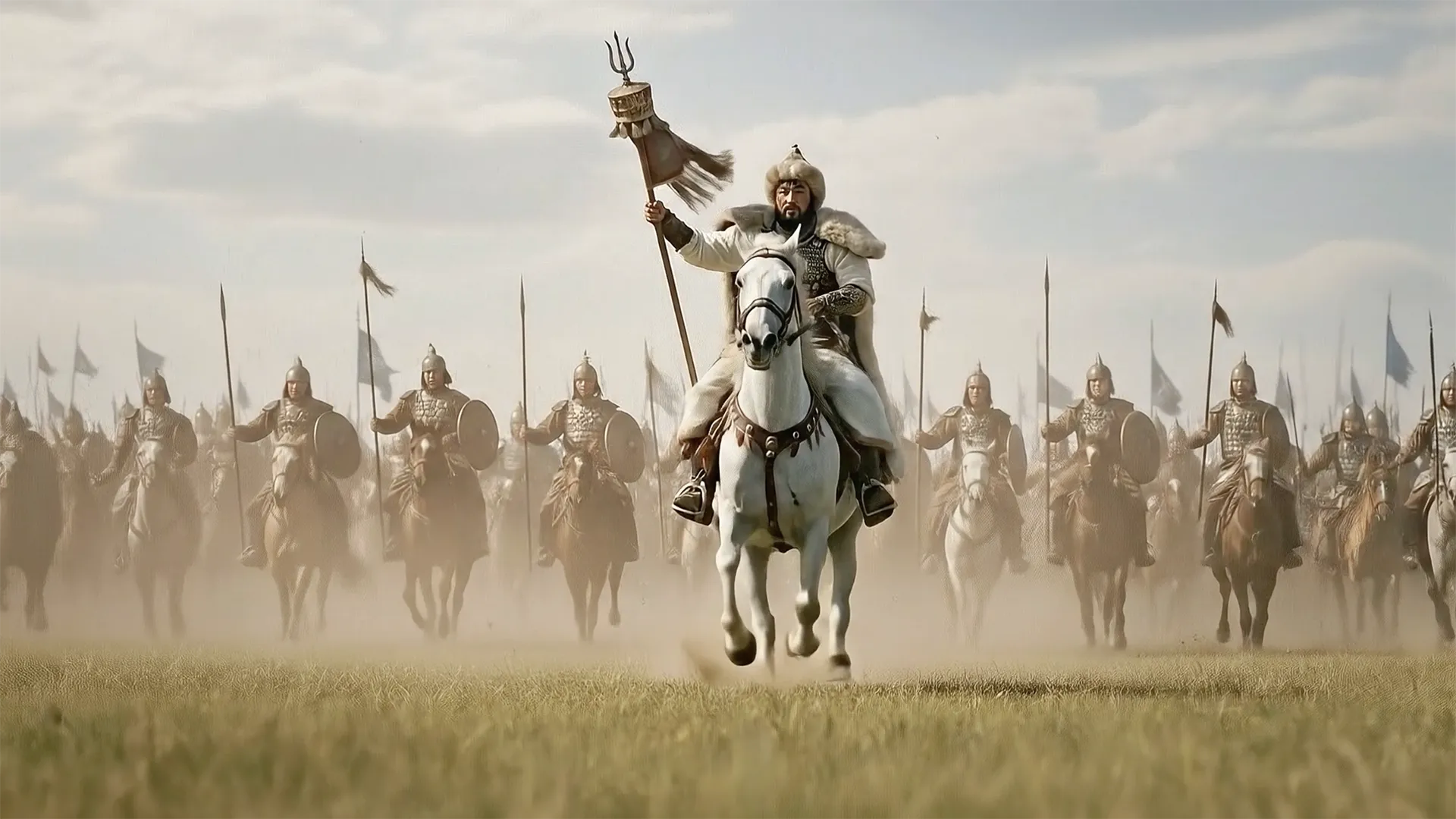
Although there are differing opinions about the original homeland of the Turks , research indicates that the area around the Altai and Sayan Mountains , and the northwest of these mountains, was the oldest homeland of the Turks. Turkic tribes such as the Huns, Göktürks, Uyghurs, Oghuzs, Kyrgyz, and Tatars , who spread to different regions through migrations, established states in a vast geographical area, but their homeland was never completely abandoned. While Western researchers suggest that the Turks were a constantly migrating people, regions such as Turkestan , the Altai Mountains , the Tian Shan Mountains , and the Ural Mountains have historically been inhabited by the Turks. Linguistic and archaeological findings show that the Turks lived in these vast regions from around 2000 BC onwards, and gradually spread eastward, westward, and southward.
PROTO-TURKIC CULTURAL HISTORY
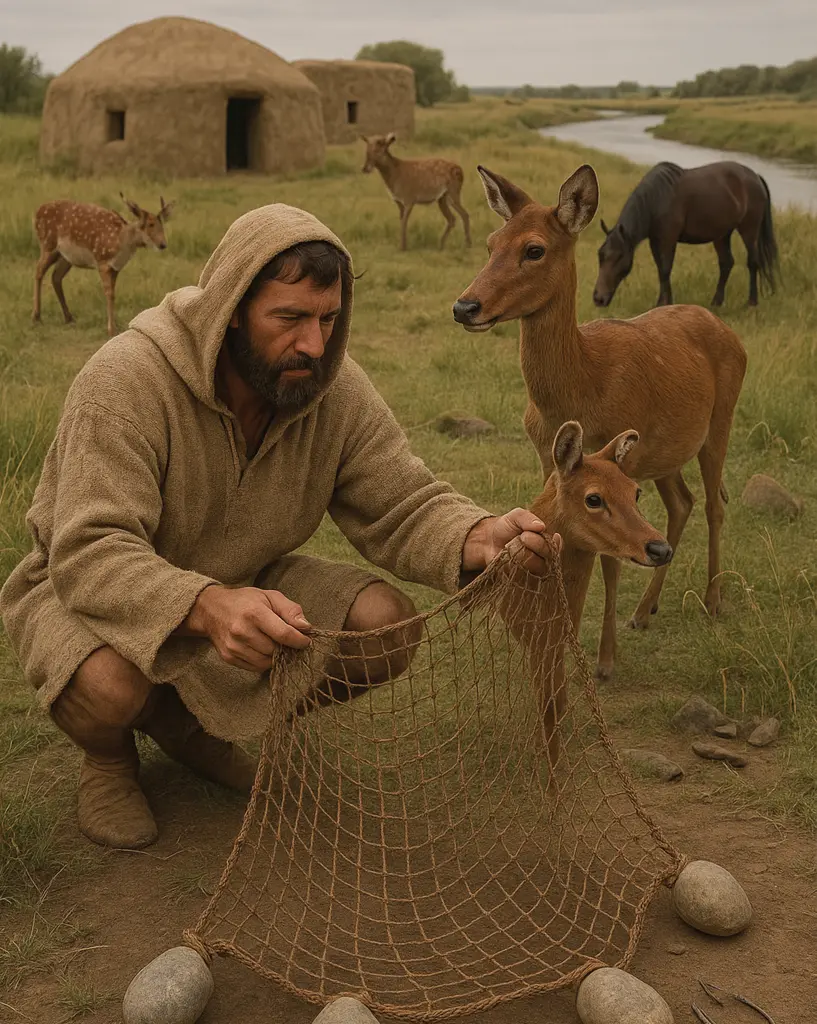
Kelteminar Culture
(5000-3000 BC))
This culture developed in the steppes of Turkmenistan and Kazakhstan and spread along the Darya, Zarafshan , and Uzboy rivers . Houses with round and rectangular plans were built, and fishing and hunting were the primary sources of livelihood . Fishing net weights, fishing rods, harpoons, and flint arrowheads were also used. It is among the important findings of the Kelteminar Culture. Cattle and sheep were not raised; instead, fallow deer, roe deer, and horses were the main livestock .
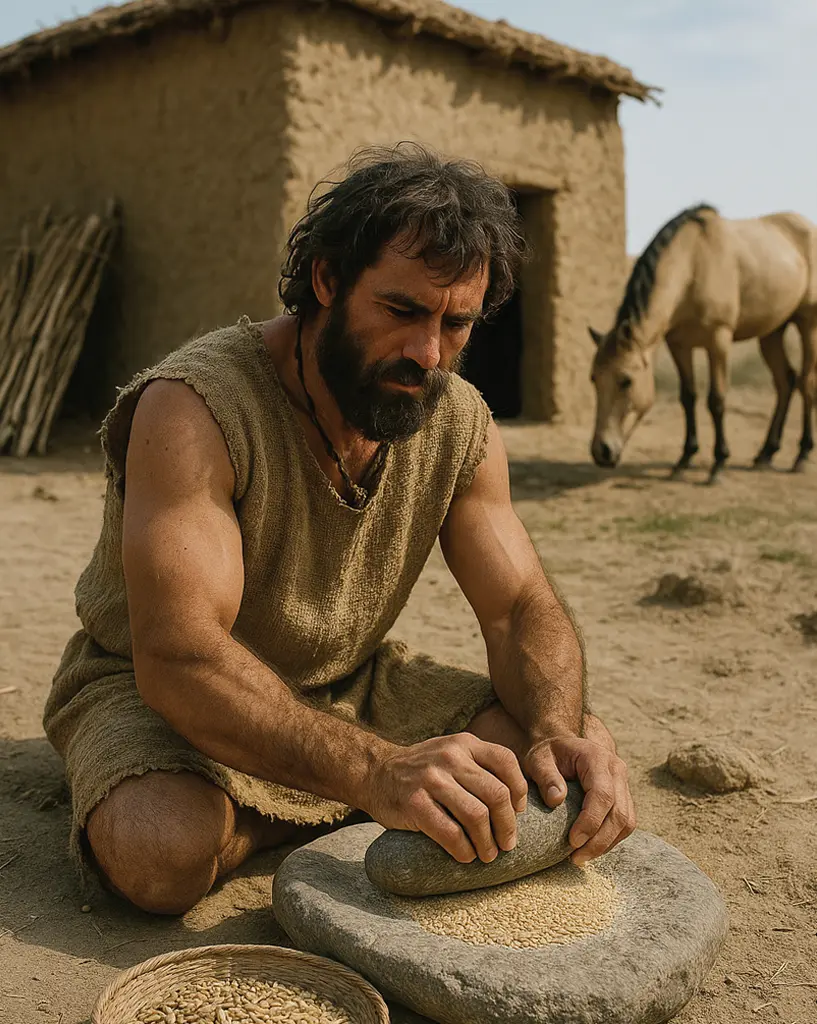
Anav Culture
(4000-1000 BC)
The Anav Culture, one of the oldest known settled cultures of Turkestan , emerged near Ashgabat . The people living during this period built mud-brick houses, engaged in agriculture, raised animals, and learned to weave fabrics . Archaeological finds include copper ornaments and grinding stones for barley and wheat. The earliest evidence of horse domestication belongs to this culture. It is suggested that the people of this culture migrated to India and Mesopotamia, contributing to the Sumerian and Mohenjo-daro cultures .
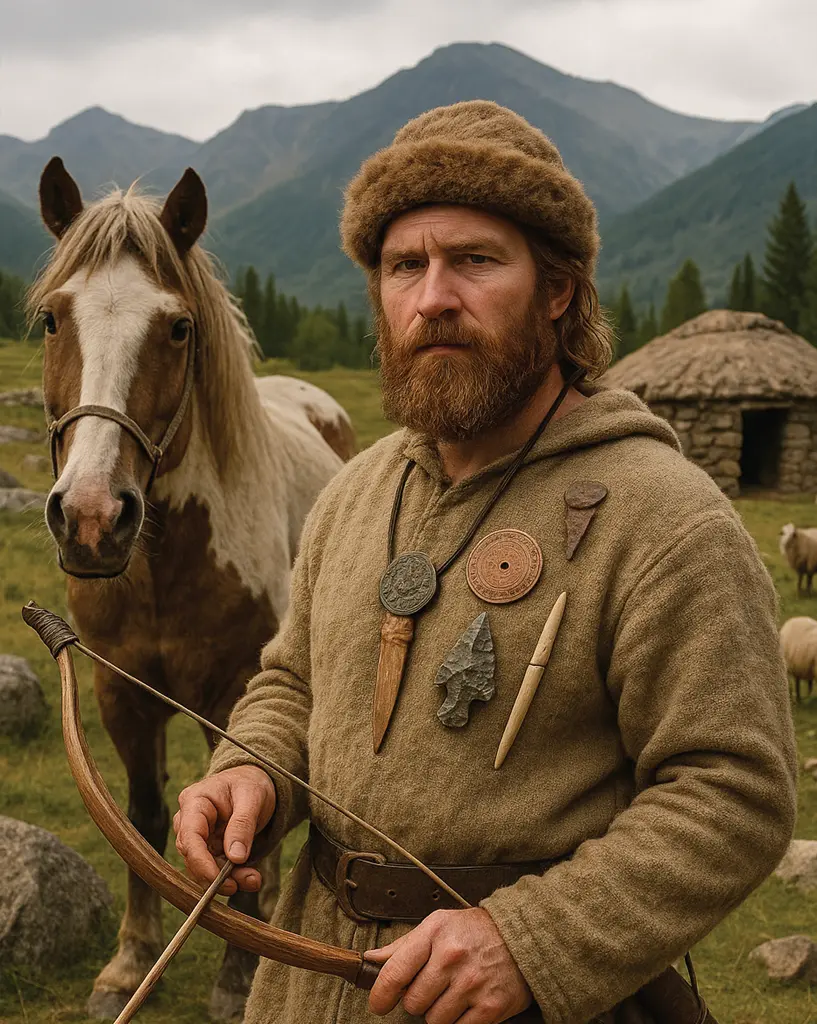
Afanasyevo Culture
(3000-1700 BC)
Afanasyevo Culture , associated with one of the earliest ancestors of the Turks , emerged in the Altai Mountains and the Minusinsk region .
Various copper ornaments, flint arrowheads, bone needles, knives, and bronze tools are important finds from this culture. Hunting was practiced alongside horse and sheep breeding .
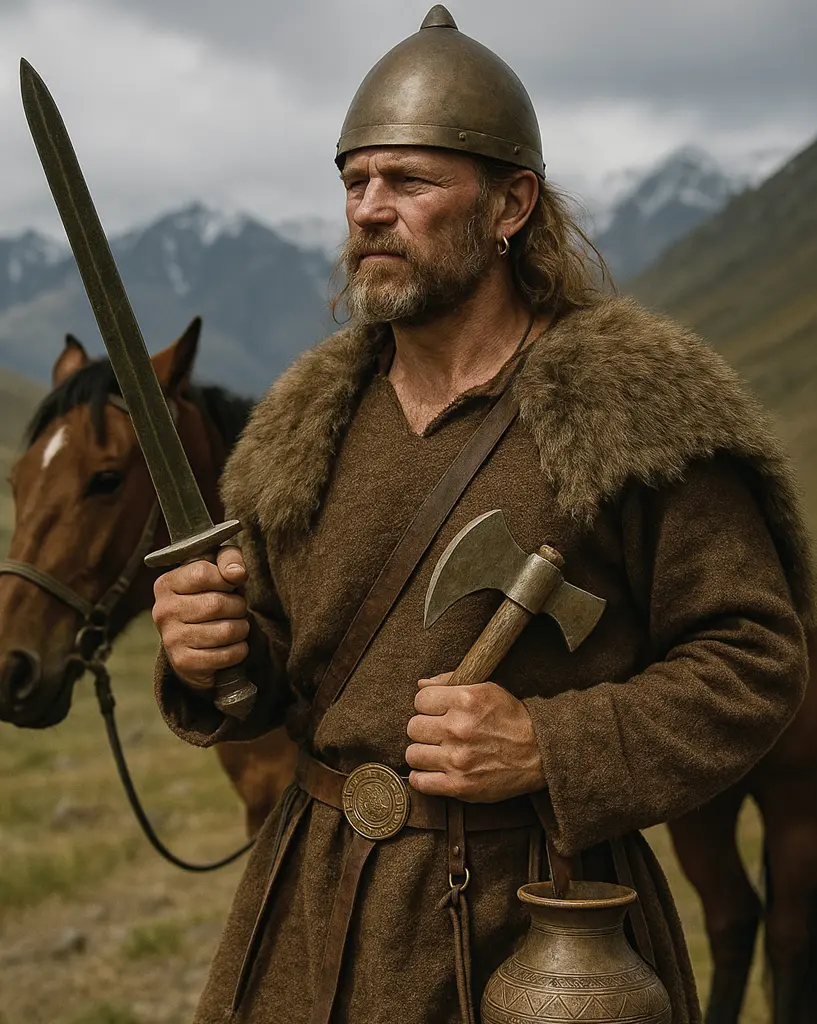
Andronovo Culture
(1700-1200 BC)
The Andronovo Culture, a continuation of the Afanasyevo Culture , developed in the Altai Mountains and the Minusinsk region . Bronze work was advanced, and ornate, wide-mouthed vessels, axes with handles, daggers, and pearl earrings were produced. Horse remains indicate the beginning of the equestrian warrior tradition in this culture . It is believed that the Andronovo people taught bronze work to the Chinese . In this culture, camels and cattle began to be raised alongside horses and sheep .
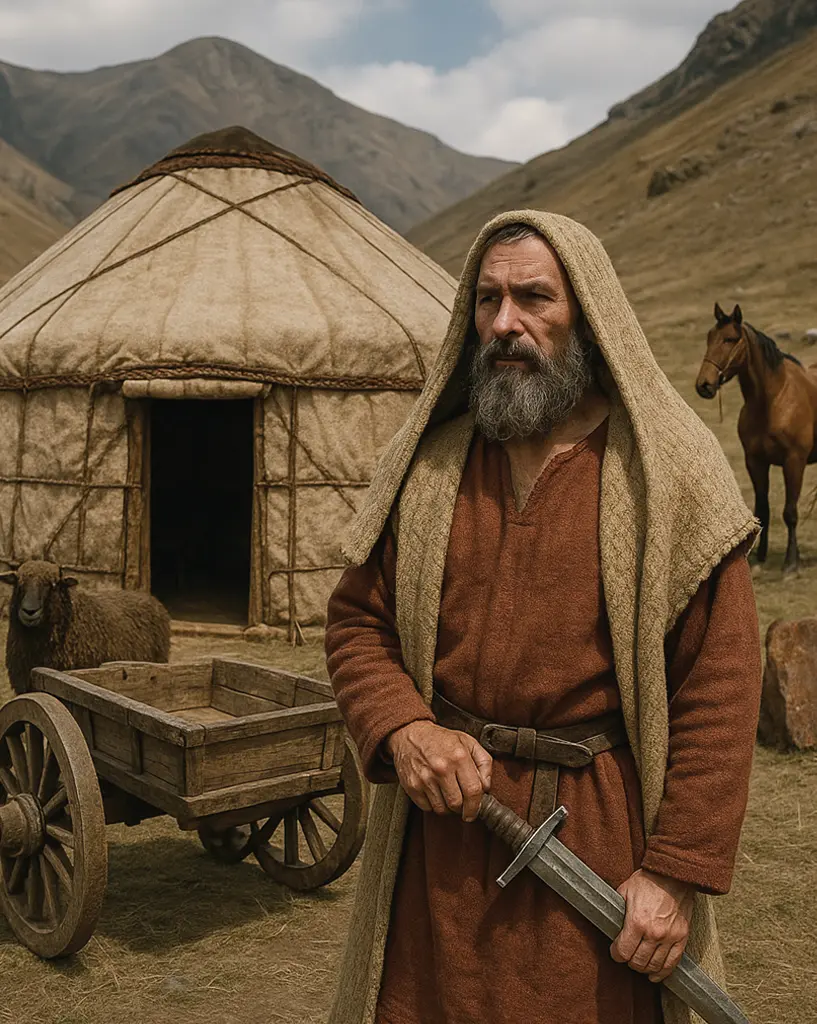
Karasuk Culture
(1200-700 BC)
The Karasuk Culture flourished in the Altai Mountains, around the Yenisei River and the Irtysh River . Ironworking first began during this period, with the use of arsenic and tin to improve the quality of bronze and copper . Ancient Turkic customs such as four-wheeled carts, felt tents, and the tradition of leaving food at graves are also seen in this culture. Weaving developed, and the making of clothing from sheep’s wool began .
Tagar and Tashtyk Culture
(700 BC – 100 AD)
The Tagar Culture, a continuation of the Karasuk Culture, developed in the Minusinsk region . Bronze and gold ornaments, daggers, arrowheads, and tripod cauldrons have been found. The Tashtyk Culture developed as an evolution of the Tagar Culture, with the construction of wooden and domed houses . The wooden dwellings reflect early examples of the Turkic yurt tradition . Bronze sculptures decorated with animal figures and rock paintings bear traces of ancient Turkic art.
In conclusion , all of these cultures are closely related to the ancestors of the Turks and formed the foundations of the Turkic Steppe Culture in Central Asia . Many features, such as leaving food at graves, horse breeding, bronze and ironwork, and animal-style art, demonstrate the continuity of Turkic culture .